
5 First-Time Homebuyer Mistakes to Avoid Before You Buy

Buying a first home can feel exciting and stressful at the same time. The biggest problems often start before the offer is accepted. A rushed choice, a missed cost, or one skipped step can turn an affordable home into a hard lesson.
This guide is informational only and is not financial advice. Use it to ask better questions and avoid common trouble spots.

The biggest first-time buyer mistakes are usually preventable
Most first-time buyers do not lose money because they made one bad choice. They lose money because several small choices stack up.
Here are five mistakes to watch for before signing a contract.
1. Underestimating the true cost of buying
The mortgage payment is only one part of the cost. Many buyers focus on principal and interest, then get surprised by everything else.
Common extra costs include:
Property taxes
Homeowners insurance
Private mortgage insurance, if required
HOA dues
Utilities
Lawn care
Repairs
Moving costs
Closing costs
New furniture or appliances
A common first-time buyer scenario goes like this. A buyer gets preapproved for a monthly payment that fits the budget. Then the first full month arrives. The electric bill is higher than expected. The water heater needs service. The HOA fee was not fully understood. The home still feels affordable on paper, but cash gets tight fast.
How to avoid it
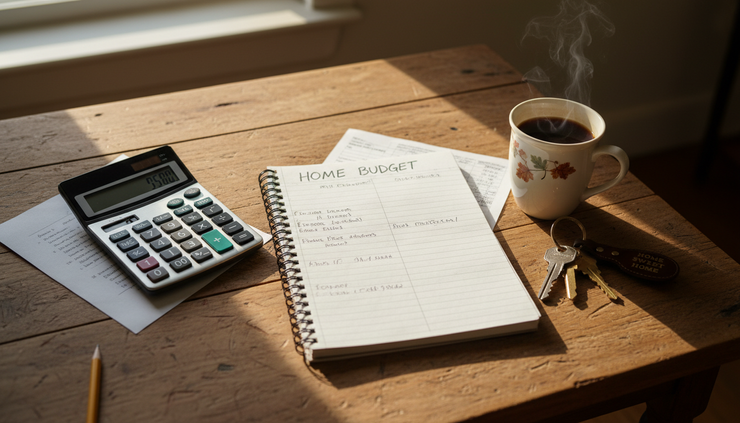
Build a sample monthly housing budget before touring homes. Include the mortgage, taxes, insurance, HOA dues, utilities, and a repair fund.
Also ask your lender for an estimate of closing costs early. Do not wait until the week before closing. Closing costs can include lender fees, title fees, prepaid taxes, prepaid insurance, and escrow deposits.
A simple rule helps: if the payment only works when nothing goes wrong, the home is too tight for the budget.
2. Skipping the home inspection
Some buyers skip the inspection to make an offer look stronger. That can be risky. A house can look clean and still have expensive problems behind the walls, under the roof, or inside major systems.
An example based on a common inspection issue: a buyer falls in love with a charming older home. The kitchen looks updated. The floors shine. During inspection, the inspector finds old wiring, poor grading near the foundation, and a roof near the end of its life. None of that was easy to see during a 20-minute showing.
That inspection does not always mean the buyer should walk away. It gives facts before making a final choice.
How to avoid it
Hire a qualified home inspector. Attend the inspection if possible. Ask questions in plain language.
Pay close attention to:
Roof age and condition
Heating and cooling systems
Plumbing
Electrical panels
Foundation and drainage
Signs of water damage
Windows and insulation
Safety concerns
If the report finds major issues, ask your agent about repair requests, credits, or other options. The goal is not to panic. The goal is to understand what you are buying.

3. Not researching the neighborhood
A house does not exist by itself. The street, commute, noise, schools, parking, nearby businesses, and future plans for the area all affect daily life.
First-time buyers sometimes tour a home on a quiet Sunday afternoon and assume that is normal. Then they move in and learn the weekday traffic is loud, the commute doubles during rush hour, or street parking is hard after 6 p.m.
One buyer example is simple. A person chooses a lower-priced home 30 minutes from work. During showings, the drive feels fine. After moving in, the daily commute takes close to an hour each way during peak traffic. The lower price still matters, but the tradeoff feels much bigger.
How to avoid it
Visit the neighborhood more than once. Go at different times:
Morning commute
Evening commute
Weekend afternoon
Late evening, if safe
Check grocery access, parks, public services, noise, and parking. Review local rules if the home is in an HOA. Look up school boundaries if schools matter for your plans, even if you do not have children. School zones can affect resale value in many markets.
Talk to people who know the area. Keep questions practical. Ask about traffic, flooding, construction, and common repair issues for homes nearby.
4. Getting emotional and overbidding
It is easy to picture holidays, pets, furniture, and future plans during a showing. That is normal. The mistake is letting emotion erase the budget.
In a competitive market, buyers may waive protections or offer more than planned because they are tired of losing homes. That pressure can lead to regret.
A familiar story: after missing out on three houses, a buyer offers above the comfort zone on the fourth. The offer wins. Then reality hits. The payment leaves little room for savings. A small repair becomes a serious strain.
How to avoid it
Set a firm number before seeing homes. Decide your maximum monthly payment and maximum offer price. Do this when calm, not while standing in a kitchen you love.
Use this checklist before making an offer:
Does the payment fit without cutting emergency savings?
Are taxes and insurance included in the estimate?
Is there money left for repairs?
Does the home meet the main needs, not just the nice-to-have list?
Are you keeping inspection and financing protections where possible?
A good home should support life, not squeeze it.

5. Making big financial changes before closing
Preapproval is not the finish line. Lenders usually check finances again before closing. A new car loan, new credit card, missed payment, or job change can affect approval.
This mistake often happens after the offer is accepted. The buyer feels safe. Then they finance furniture, open a store card, or move money without keeping records. The lender asks questions. Closing gets delayed. In some cases, approval can fall apart.
How to avoid it
Keep finances steady from preapproval to closing.
Do not:
Open new credit accounts
Finance a car or furniture
Make large unexplained deposits
Change jobs without talking to the lender
Miss payments
Move large sums between accounts without a paper trail
Ask your lender before any major financial move. A five-minute call can prevent a serious closing problem.
Quick ways to buy with more confidence
Avoiding these first time homebuyer mistakes comes down to preparation.
Before making an offer, do three things:
Know the full monthly cost
Include taxes, insurance, HOA dues, utilities, and repairs.
Protect your inspection rights when possible
Know the home’s condition before you fully commit.
Research the area like you already live there
Drive it, walk it, and test the commute.
Also, choose people who explain the process clearly. A good real estate agent, lender, inspector, and insurance contact can help you spot issues early.
If you want help planning your purchase, reviewing your next steps, or asking the right questions before you buy, contact the VIP Real Estate Team.
FAQ
How much should a first-time buyer save before buying?
Save for the down payment, closing costs, moving costs, and an emergency fund. The right amount depends on the loan, home price, taxes, and repair needs.
Is it ever okay to skip a home inspection?
Skipping inspection adds risk. Some buyers do it in competitive markets, but it can leave them responsible for expensive hidden problems. Talk through the risk before choosing that path.
What should I ask before choosing a neighborhood?
Ask about commute times, noise, parking, HOA rules, flood history, nearby development, and access to daily needs like groceries and medical care.
Can I buy a home if I have debt?
Many buyers have debt. Lenders look at income, credit, assets, and debt payments. Ask a lender what price range fits your full financial picture.
When should I get preapproved?
Get preapproved before serious home shopping. It helps set a budget and shows sellers that financing is already being reviewed.
Buy with fewer surprises
A first home does not have to be perfect. It should be affordable, safe, and right for daily life.
Slow down before the offer. Count the full cost. Inspect the property. Learn the neighborhood. Keep your finances steady. Those steps can save money, stress, and regret long after closing day.


Comments