
Renovations Not Worth the Money Before Selling Your Home

A bad pre-sale renovation can eat your profit before the buyer ever makes an offer. The goal is not to build your dream home. The goal is to help the home sell faster, with fewer objections, at a fair price.
That means some projects are worth doing. Others are not.

Why some renovations fail before a sale
Many sellers spend money on the wrong things because they renovate emotionally. They choose finishes they like. They try to fix every flaw. They assume a costly upgrade will come back dollar for dollar.
That rarely happens.
Buyers compare homes against current listings, recent sales, and their own budget. They care about condition, layout, light, storage, location, and monthly cost. They may not care that the seller paid top dollar for a custom backsplash or imported tile.
A renovation is risky before selling when it does one of these things:
Costs more than buyers are willing to reward
Matches the seller’s taste more than the market
Fixes a problem most buyers would ignore
Makes the home nicer than the neighborhood supports
Takes too long and delays the listing
The smartest pre-sale work removes doubts. It should make the home feel clean, cared for, and easy to move into.
Renovations that often do not pay off
Some projects can improve a home but still make little sense before listing. Here are common examples.
Renovation | Why it can be a poor pre-sale choice | Better move |
Full kitchen remodel | Costs can run high, and buyers may not share the seller’s style | Paint cabinets, replace hardware, update lighting |
Luxury bathroom remodel | High-end tile, custom glass, and premium fixtures may not raise the offer enough | Deep clean grout, replace worn fixtures, add fresh caulk |
Room conversions | Turning a bedroom into a closet, gym, or office can shrink the buyer pool | Keep bedrooms flexible and easy to identify |
Swimming pool installation | Pools are expensive and can worry buyers about upkeep and safety | Improve patio, lawn, fencing, or outdoor lighting |
Wall-to-wall specialty flooring | Bold tile, dark carpet, or unusual materials can feel personal | Repair damaged flooring or use neutral options |
High-end appliances | Buyers may like them, but they often will not pay full value for them | Replace broken appliances with clean, reliable models |
A full kitchen remodel is one of the biggest traps. A tired kitchen can hurt a sale, but a brand-new luxury kitchen may not repay the cost. Buyers may prefer white cabinets, while the seller chose dark green. They may want quartz, while the seller chose butcher block.
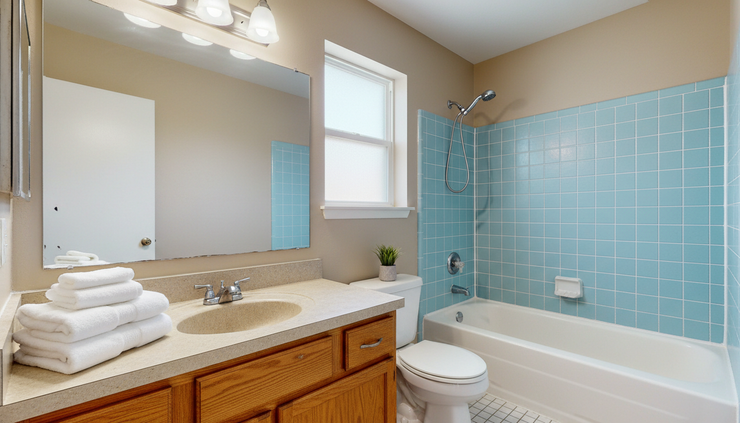
The same applies to bathrooms. A clean, bright bathroom matters. A spa bathroom with heated floors and designer tile may not.

Common mistakes sellers make with renovations
The biggest mistake is starting work without looking at the market. A seller may spend $40,000 on upgrades in a neighborhood where buyers expect affordability over luxury. That money may not come back.
Another mistake is ignoring buyer preferences. Trends change. Gray flooring, heavy farmhouse decor, open shelving, and bold accent walls have all had strong moments. They can also date a home fast. Neutral does not mean boring. It means fewer buyers rule the home out.
Sellers also misjudge visible repairs. A cracked window, loose railing, stained ceiling, or dripping faucet can hurt buyer confidence. These small issues may matter more than a new wet bar.
Avoid these common errors:
Renovating beyond nearby comparable homes
A home should compete well, not feel out of place.
Choosing personal finishes
Strong colors, unusual tile, and themed rooms can limit appeal.
Spending on hidden upgrades buyers cannot see
Some repairs are needed, but a buyer may not value a new water heater the same way they notice fresh paint.
Starting projects too close to listing
Delays, backorders, and unfinished work can hurt timing.
Assuming every project adds value
Some work improves comfort but not sale price.
This is where renovations not worth the money before selling your home become expensive lessons. The wrong project can drain cash and add stress with little benefit.
What to consider before spending money
Before approving a renovation, compare it against four factors.
Local market conditions
In a strong seller’s market, buyers may accept dated finishes if inventory is low. In a slower market, condition matters more. Still, that does not mean every upgrade is smart. It means the home should show well against its closest competition.
Comparable sales
Look at homes with similar size, age, location, and condition. If recently sold homes had basic kitchens and still sold quickly, a full remodel may be unnecessary. If updated homes sell faster and for more, targeted improvements may help.
Buyer expectations
A starter home, a luxury property, and a rural home attract different expectations. A first-time buyer may value low maintenance and a fair price. A luxury buyer may expect higher-end finishes. The renovation should match the buyer pool.
Time before listing
Large projects often take longer than planned. A rushed renovation can lead to poor workmanship. Bad work is worse than no work because buyers notice it during showings and inspections.
Better pre-sale updates that usually make sense
Good pre-sale updates are simple and visible. They make the home feel maintained without overbuilding it.
Focus on these first:
Fresh interior paint
Use warm white, soft beige, or light neutral tones.
Basic repairs
Fix leaks, doors, railings, outlets, cracked glass, and damaged trim.
Cleaning and decluttering
A clean home photographs better and shows better.
Curb appeal
Trim shrubs, refresh mulch, clean the entry, and paint the front door if needed.
Lighting
Replace dim bulbs and outdated fixtures in key spaces.
Minor kitchen touch-ups
Consider cabinet hardware, faucet replacement, new lighting, or painted cabinets if the current finish is worn.
Minor bathroom touch-ups
Replace a dated mirror, recaulk the tub, update faucets, and clean tile.
These updates are not exciting. That is the point. They reduce objections without taking over the budget.
If the home has a major defect, get advice before hiding it behind cosmetic work. Roof issues, water damage, electrical concerns, and foundation problems can affect financing, inspections, and buyer trust.
FAQ
Should I remodel my kitchen before selling?
Usually, no. A full kitchen remodel is expensive and taste-specific. Smaller updates often work better, such as paint, cabinet hardware, lighting, and a clean backsplash.
Is new flooring worth it before listing?
Sometimes. Replace flooring if it is badly damaged, stained, or distracting. Avoid expensive or unusual materials. Neutral, durable flooring has broader appeal.
Should I add a pool to increase home value?
No. Installing a pool right before selling is rarely a smart move. It costs a lot, takes time, and some buyers see it as extra maintenance.
Are luxury appliances worth buying before a sale?
Not usually. If appliances are broken or mismatched, replace them with clean, reliable models. High-end appliances may impress buyers, but they may not raise the offer enough to cover the cost.
How do I know which repairs matter most?
Start with safety, function, and visible condition. Then compare nearby listings. A real estate professional can help rank repairs based on local buyer expectations.

Make the renovation decision before you spend
The best pre-sale projects help buyers say yes faster. They do not need to be expensive. They need to be clean, neutral, and tied to the market.
Before spending thousands on upgrades, get a direct read on what buyers in the area expect. For help deciding which projects are worth doing before listing, contact the VIP Real Estate Team.
Spend where it reduces buyer concern. Skip the projects that only satisfy personal taste. That is how to protect your budget before the sale.


Comments